Why Choosing the Right Hairstylist Matters More Than You Think
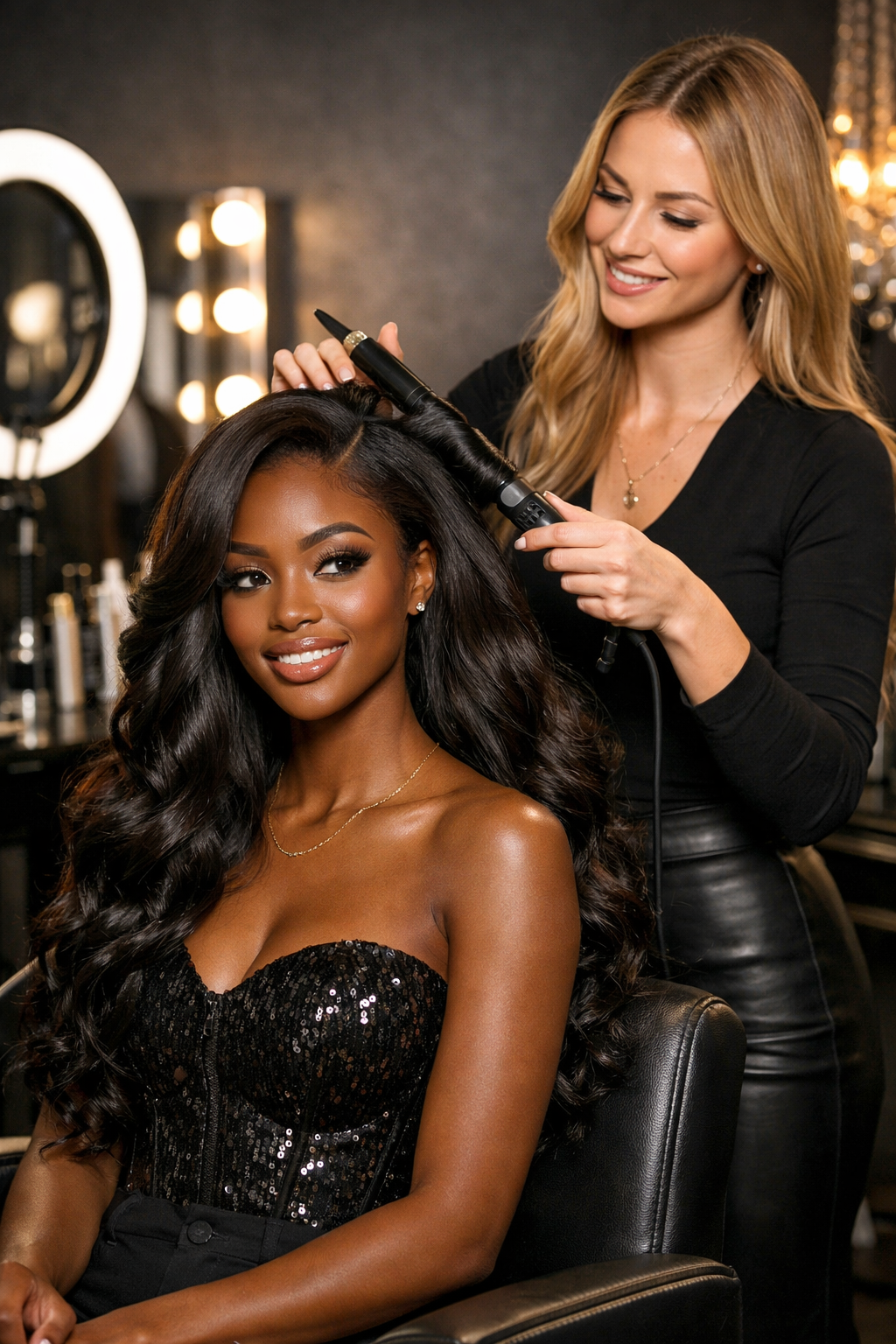
Finding a hairstylist isn’t just about availability or aesthetics—it’s about trust, experience, and understanding. While many stylists may be licensed or “qualified,” qualification alone does not always equal experience, especially when it comes to working with diverse hair types, textures, lengths, and conditions.
Hair is not one-size-fits-all. Each head of hair responds differently to tension, heat, manipulation, and styling techniques. Choosing the right hairstylist can make the difference between healthy hair progression and long-term damage.
Qualification vs. Experience
Licensure confirms that a stylist has met required educational standards—but experience determines how well they apply that knowledge in real-world situations.
An experienced stylist understands:
-
How different textures respond to heat and tension
-
When hair can tolerate certain styles—and when it cannot
-
How to adjust techniques based on density, length, and elasticity
-
The importance of consultation before styling
Experience also means knowing when to say no to a style that may compromise the health of the hair or scalp.
Understanding Your Hair Type and Condition
Hair varies widely in texture, curl pattern, density, and strength. Some hair types are more resilient, while others require a lighter touch and thoughtful technique. Not all hair can withstand tight styles, excessive heat, or heavy-handed application.
This becomes even more critical for individuals experiencing:
-
Alopecia or traction-related hair loss
-
Thinning edges or overall density loss
-
Breakage from previous chemical or heat damage
-
Scalp sensitivity or medical hair conditions
In these cases, working with a stylist who understands hair preservation—not just styling—is essential.
Styling with Care and Alternatives
A skilled stylist doesn’t force hair into trends. Instead, they offer solutions that protect the integrity of the hair while achieving the desired look.
This may include:
-
Suggesting wigs, extensions, or infusions to add volume and fullness
-
Using low-tension techniques to protect fragile areas
-
Recommending styles that minimize stress on the scalp
-
Prioritizing hair health over short-term aesthetics
These alternatives allow for versatility and confidence without compromising long-term hair wellness.
How to Choose the Right Hairstylist
When selecting a stylist, consider:
-
Their experience with your specific hair type and condition
-
Willingness to conduct a thorough consultation
-
Ability to explain techniques and care recommendations
-
Openness to offering alternatives when necessary
A great stylist listens, educates, and styles with intention.
Beauty Is Not Universal—And That’s a Good Thing
Not all beauty is created equally, and not every head of hair should be treated the same way. Choosing a hairstylist who understands this distinction ensures that your hair is not only styled beautifully, but cared for responsibly.
At Color Palette, we believe beauty should be approached with knowledge, intention, and respect for individuality—because healthy hair is always in style.